Skip to content

FOR PARENTS OF STUDENTS IN GRADES 6–8

The Decisions Your Middle School Student Makes Now Matter More Than You Think.

Watch this short admissions-strategy video to learn how to help your student explore their interests, make smarter decisions about the transition to high school, and build a strong foundation for what comes next—without turning middle school into an admissions checklist.

IN THIS SHORT VIDEO, YOU WILL LEARN:
  • 01
    Why waiting until high school to get strategic often creates more pressure, not less.
  • 02
    What thoughtful preparation actually looks like for a student who is still exploring.
  • 03
    How to make the next choices around courses, activities, summers, and—where relevant—private-school applications with more clarity.

Presented by Thomas Caleel, Founder of Admittedly and former Director of MBA Admissions at Wharton, alongside a
team of former admissions officers and experienced strategists.


You do not need to map your student's entire future today. Start by
understanding the next decision that matters.

A complimentary conversation to help you identify what to prioritize now — and whether our Early Edge programs are the right next step for your family.

If You Are Reading This, You May Be Caught Between Two Instincts.
On one hand, you know middle school matters. Your student is beginning to form academic habits, discover what they care about, and make choices about how they spend their time.
On the other hand, you do not want to turn childhood into a résumé-building exercise. You do not want to pile on activities, chase every summer opportunity, or ask a sixth, seventh, or eighth grader to choose a future before they are ready.

That instinct is right. Your student does not need more pressure.

But here is the thing: doing nothing until high school does not keep the process low-pressure. It often means that, when the decisions start to feel more consequential, your family is forced to make them quickly—with incomplete information and a great deal more stress. 

You may be wondering:

  • Is it too early to start thinking about college or selective high school?
  • How do we support real exploration without encouraging random “check-the-box” activities?
  • Are we overlooking summer opportunities that could be useful—or overthinking opportunities that are not?
  • How will we know which high-school courses, activities, and environments actually fit our student?
  • If we are considering a competitive boarding or independent school, when should we begin planning?

You are not behind. And you do not need a seven-year plan.
You simply need a clearer way to approach the choices that are already beginning to arrive.

middle-school-poster

The Goal Is Not to Have College Admissions Figured Out.
It Is to Stop Waiting Until Every Choice Feels Urgent.

Most families assume they have two options.
They can wait until high school and let their student be a kid. Or they can start early and create a high-pressure schedule filled with tutoring, clubs, competitions, and activities that do not necessarily mean anything to the student.
That is the wrong choice.
There is a third option: give your student room to explore, while making sure the exploration is becoming clearer over time.
Preparation does not mean forcing a “passion.” It does not mean deciding on a major. And it certainly does not mean building a perfect résumé before ninth grade.
It means paying attention to the things that genuinely engage your student. It means helping them understand how their strengths and interests may develop. And it means making the next course, activity, summer, or school decision with intention—rather than letting it become another default choice.

Your student has time. That is not a reason to wait. It is the advantage that makes good strategy possible.

High School Does Not Begin on the First Day of Ninth Grade.

The transition starts earlier than most parents realize—not because a middle schooler needs to act like a high school applicant, but because the habits and choices that shape high school begin to form well before the first day of freshman year.
 
The activities your student tries now may reveal what they want to continue later. The academic foundation they build now can make high-school pathways feel more open. The way they spend their summers can help them discover what they enjoy, what they are good at, and where they might want to go deeper.
 
And for families considering a competitive private or boarding school, the application timeline can be much closer than it appears.
 

The Difference Is Not Doing More. It Is Knowing What to Do With What Your Student Is Already Showing You.

When families wait What intentional guidance changes
Activities are added because they sound impressive or because other families are doing them. Students explore broadly, then learn which interests are worth protecting, developing, or letting go.
Summer arrives and the search for “the right program” begins too late. Families plan early enough to choose opportunities that fit the student rather than chasing what is left.
High-school decisions feel like a sudden, high-stakes test. Families approach the transition with a clearer understanding of academic fit, goals, and priorities.
Parents collect more advice but still cannot tell which advice applies to their student. Families have a personalized roadmap for the next decision—not more generic information.
The student begins high school already feeling pressure to catch up. The student begins with more self-awareness, more confidence, and a strategy that leaves room to grow.

The families who feel most confident in high school are not the ones who forced a perfect plan in middle school.
 
They are the ones who used middle school to understand their student, protect genuine curiosity, and make the next decision more deliberately.

The Early Edge Framework:
Explore. Notice. Choose With Intention.

A strong foundation is not built through a long list of disconnected accomplishments. It is built by helping your student move through three simple stages—at the right pace for where they are now.

01

Explore What Is Real

Middle school is the right time to try things. Arts, athletics, technology, community service, debate, science, writing, entrepreneurship, and more.

But the point is not to collect activities. The point is to discover what gives your student energy, what they return to on their own, and what kind of problems or ideas make them curious.

What we do: Help families make room for meaningful exploration without over-scheduling every hour.

02

Notice the Patterns

Over time, interests begin to reveal patterns. A student who loves competitive tennis may also be drawn to the strategy of chess. A student who enjoys piano may be fascinated by the patterns in advanced math. A student who cares about the natural world may begin to see how science, community service, and lived experience connect.

The goal is not to label a student too early. It is to notice what is emerging—and to help them make choices that allow those threads to develop naturally.

What we do: Help you translate scattered interests into a clearer understanding of your student’s strengths, motivations, and possible directions.

03

Make the Next Choice With Intention

The next decision may be a course, an activity, a summer plan, a high-school environment, or a private-school application strategy.

You do not need to know every decision that will come after it. You need to make the next one with enough clarity that your student has more options—not fewer—when the time comes to decide again.

What we do: Give your family a manageable roadmap, concrete next steps, and expert perspective at the moments when guidance matters most.

That is what it means to be strategic in middle school.
Not more pressure. More intentionality.

Your Family Can Find Plenty of Information Online. What You Need Is Help Applying It to Your Student.
There is no shortage of advice. Parents can spend weekends searching forums, watching videos, comparing summer programs, and asking other families what they are doing.
Some of that information can be useful. But information alone cannot tell you which decisions actually matter for your student—or how courses, activities, summers, and future goals fit together.
 
A generic list cannot tell you whether your student needs more structure or more room. It cannot tell you which interest deserves time, which opportunity is a distraction, or whether a particular high-school or private-school path makes sense for your family.
 

That is the difference between advice and strategy.

Early Edge Gives Families a Way to Move Forward With Clarity.

We do not hand your student a template and ask them to follow it. We do not tell them to become someone they are not. And we do not ask parents to manage every detail.
Instead, Admittedly combines a former-admissions-officer perspective with a structured, human process designed to help your family make better decisions as your student grows.


A student-specific perspective

Your student is not another profile to optimize. Their interests, strengths, and goals deserve individual attention.

Milestone-driven guidance

Each conversation is built around a real decision, so your family does not keep revisiting the same uncertainty.

A clear written roadmap

You leave with documented priorities and next steps—not a vague feeling that you should “do more.”

A team-based approach

Your family benefits from experienced strategists, former admissions officers, and support designed to keep momentum manageable.

Student ownership

Your student remains the driver. We provide structure, reflection, and accountability so the work stays authentic.

This Is Not About Building a
“Perfect” Middle-School Résumé.

Early Edge is not for families looking for a formula, a guarantee, or a long list of activities to complete before high school.

It is not tutoring or test prep. It is not an intense program designed to fill every free hour. And it is not someone else taking over your student’s life.

THIS IS NOT FOR YOU IF YOU WANT:

  • A formula or guarantee
  • A long checklist of résumé activities
  • Tutoring or test prep as the primary solution
  • Someone else managing your student’s life

Early Edge Is for Families Who Want to Use This Time Well.

It is designed for parents who want to understand the landscape before the high-school transition begins; students who are ready to explore their interests with greater purpose; and families who want expert guidance without losing sight of balance, curiosity, and ownership.

✓ Preparing for the transition into high school and wanting a clearer roadmap for courses, activities, and summer planning.
✓ Considering a competitive boarding school or private independent school and needing application-specific strategy.
✓ Watching a capable student stay busy but unsure of what they genuinely want to pursue.
✓ Tired of conflicting advice and ready to make the next decision with more confidence.

If you recognize your family here, the next step is a conversation—not a commitment.

What Changes When a Student’s
Interests Start to Add Up

The point of strategy is not to invent a story. It is to notice the authentic story that is already beginning to emerge—and help it develop with thoughtfulness.

CASE STUDY 01

A Student With Strong Potential—But a Story No One Could Yet See

One student came to us with competitive state-level tennis, conservatory piano, chess, and advanced math. On paper, they looked like several unrelated strengths.

Our team helped the family connect the rhythms, patterns, and strategic thinking that ran through each of those experiences. The result was not a manufactured profile. It was a clearer expression of a student’s genuine intellectual curiosity.

OUTCOME: Admitted to Stanford Online High School

case-study1

case-study2
CASE STUDY 02

A Family Facing High-Stakes Choices With Little Time to Waste

Another student was applying to boarding school after a later start and a lower SSAT score than the family had hoped for.

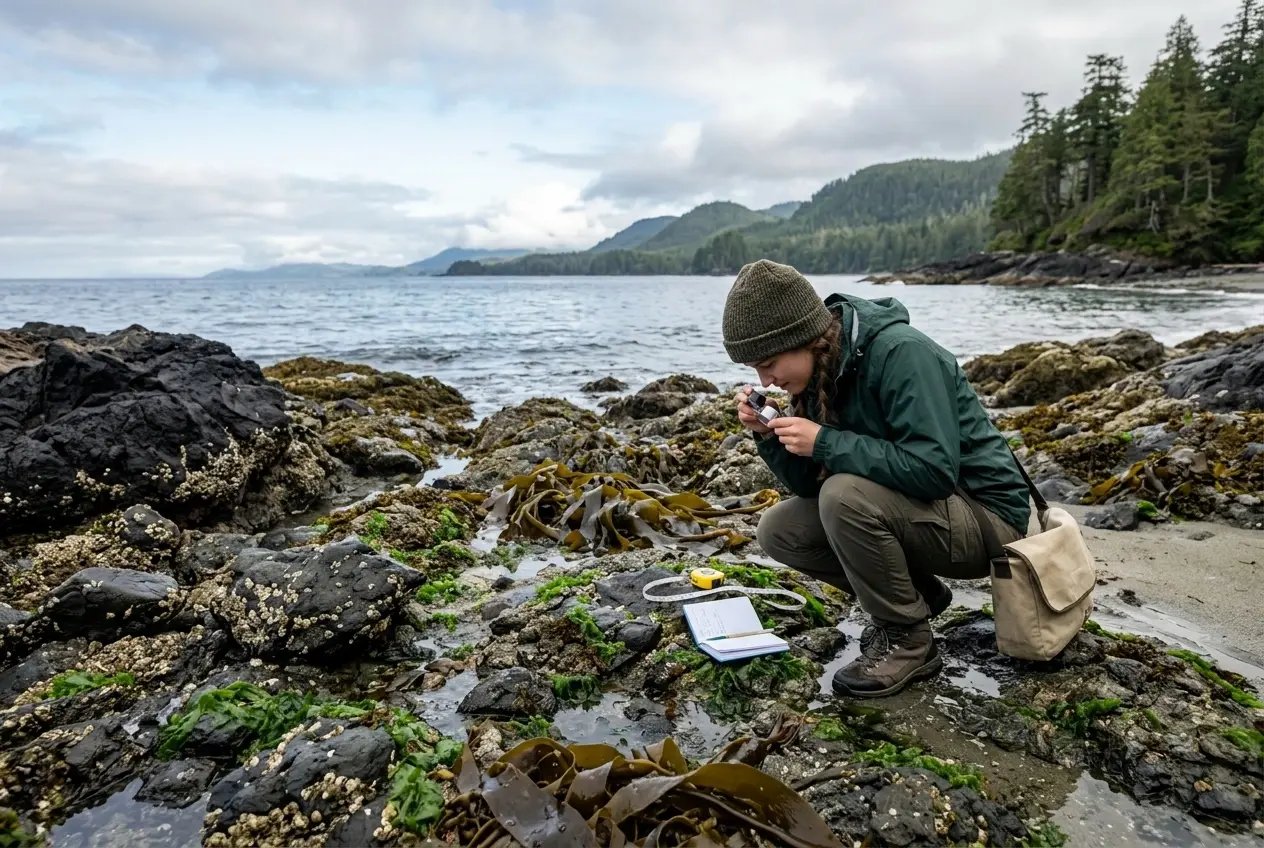
Instead of rushing into an early application, we helped the family make a strategic decision about timing and developed the application around the student’s authentic environmental consciousness, shaped by lived experiences in the Pacific Islands.

OUTCOME: Admitted to Suffield Academy in Connecticut

These stories are not formulas. Every student is different, and no program can guarantee an admissions outcome.
But they show what becomes possible when a family stops treating interests as a scattered list and starts understanding
the meaning, direction, and potential within them.

Choose the Level of Guidance That Fits
What Your Family Is Facing Now.

Every middle-school family comes to this process with different goals. Some are looking ahead to high school and want a strong foundation. Others are already navigating a selective private- or boarding-school application.

A Strategy Call helps determine which path—if either—is right for your family.

FOR THE HIGH-SCHOOL TRANSITION

Early Edge Plus™

For families who want a thoughtful, strategic foundation before high school.

Early Edge Plus begins with a Welcome Call and profile surveys so we can understand your student and your family’s goals. You receive a custom Early Edge Action Plan at the end of middle school, two one-on-one Milestone Calls with an Admissions Strategist, and ongoing access to Ask Admittedly, Admittedly Academy, and the Early Edge video course.

The purpose is simple: help your family move into high school with more clarity around academic interests, extracurricular exploration, and the choices that come next..

FOR SELECTIVE PRIVATE OR BOARDING-SCHOOL APPLICATIONS

Early Edge Premium™

For families actively applying to competitive boarding or private independent schools.

Early Edge Premium includes application-specific strategy, a comprehensive Holistic Strategy Report, five one-on-one Milestone Calls with an Admissions Strategist, coordination support, monthly access to the Admittedly team, essay feedback, and a former-admissions-officer written application review before submission.

This path is designed for families who need more immediate, hands-on guidance through a selective school application process.


You do not have to decide which program makes sense before you speak with us.
That is what the Strategy Call is for.

One Conversation Can Turn
“We’ll Figure It Out Later” Into a Clearer Next Step.

Before you invest in anything, we want to give your family something useful first: a complimentary Middle School Strategy Call with a member of the Admittedly team.

This is not a sales pitch disguised as a conversation. It is an opportunity to step back, look honestly at where your student is now, and understand what would be most useful to prioritize next.

Here Is What Happens on Your Strategy Call:

You Complete a Short Application

Tell us a little about your student, their current grade, and the goals or questions that brought you here. It takes only a minute.

If It Looks Like a Fit, You Choose a Time to Talk

Our Enrollment team reviews each application. If the conversation appears likely to be helpful for both sides, you will be invited to book a complimentary Strategy Call with our team.

You Leave With Clearer Next Steps

We discuss the transition, choice, or application process that is most relevant to your family now. You leave with a better understanding of what your student should prioritize and whether Early Edge Plus or Premium may be the right fit.


No credit card. No obligation. No pressure to enroll.

Just an honest conversation about how to use the time you have more intentionally.

Your student has time. Use it well before the next decision arrives.

Frequently Asked Questions

Is it too early to start thinking about college in middle school?

It is too early to stress about college. It is not too early to build a strong foundation and understand what will matter as your student transitions into high school.

Our goal is not to create a college application in middle school. Our goal is to help parents and students make the next choices with more clarity—so the future does not become a last-minute scramble.

Will this program overwhelm my middle schooler?

No. Our philosophy is that preparation should replace pressure with clarity.

We help students explore their natural interests and develop a manageable, milestone-driven roadmap. The student still has time to be a student, try new things, change their mind, and be a kid. In fact, that room to grow is part of what makes the process authentic.

My student does not know what they are interested in yet. Is that a problem?

Not at all. Middle school is for discovery.

Your student does not need to arrive with a perfect “passion” or a future major. The right work is to explore thoughtfully, pay attention to what keeps their interest, and make sure future choices leave room for genuine patterns to emerge.

What is the difference between Early Edge Plus™ and Early Edge Premium™?

Early Edge Plus™ is for families who want strategic direction, a custom Action Plan, and guidance around the transition into high school.

Early Edge Premium™ is more intensive and is designed for families actively applying to competitive boarding or private independent schools. It includes a more application-specific strategy, additional one-on-one support, essay feedback, and a former-admissions-officer application review.

You do not need to decide on your own. We will discuss your goals on the Strategy Call and help you understand which approach fits best.

Who will we work with?

Your family works with a dedicated Admissions Strategist for one-on-one Milestone Calls. You also have access to the broader Admittedly team through monthly Ask Admittedlys and Admittedly Academies. Depending on your program, that team can include a Student Success Coordinator and Essay Specialists.

What happens after I apply for a Strategy Call?

Our Enrollment team reviews your short application. If it seems like a mutual fit, you will be prompted to choose a time to speak with our team. During the call, we discuss your student’s current goals, the decisions in front of your family, and whether Early Edge is an appropriate next step.

Are there specific enrollment dates or cohorts?

We offer structured cohort starts at select points in the year. If a cohort date is currently available, your Strategy Call will help you determine the best starting point for your family.

Can you guarantee admission to a particular high school or college?

No. No ethical admissions advisor can guarantee an outcome.

What we can do is help your student make thoughtful decisions, develop authentic interests, and approach the process with a clearer strategy and stronger sense of ownership.

Your Student Does Not Need to Have Their Future Figured Out.
Your Family Just Needs a Better Way to Navigate What Comes Next.

The goal is not to rush. It is not to add more. And it is not to turn middle school into a competition.

It is to use this time for what it can be: a chance to understand your student, protect their curiosity, and make the next decisions with enough intention that high school begins with more confidence—not more pressure.

Because waiting until the future feels urgent is rarely the best way to prepare for it.

Your student has time. Use it intentionally.

A complimentary conversation to clarify what matters now, what can wait, and what your family should consider next.